Returns
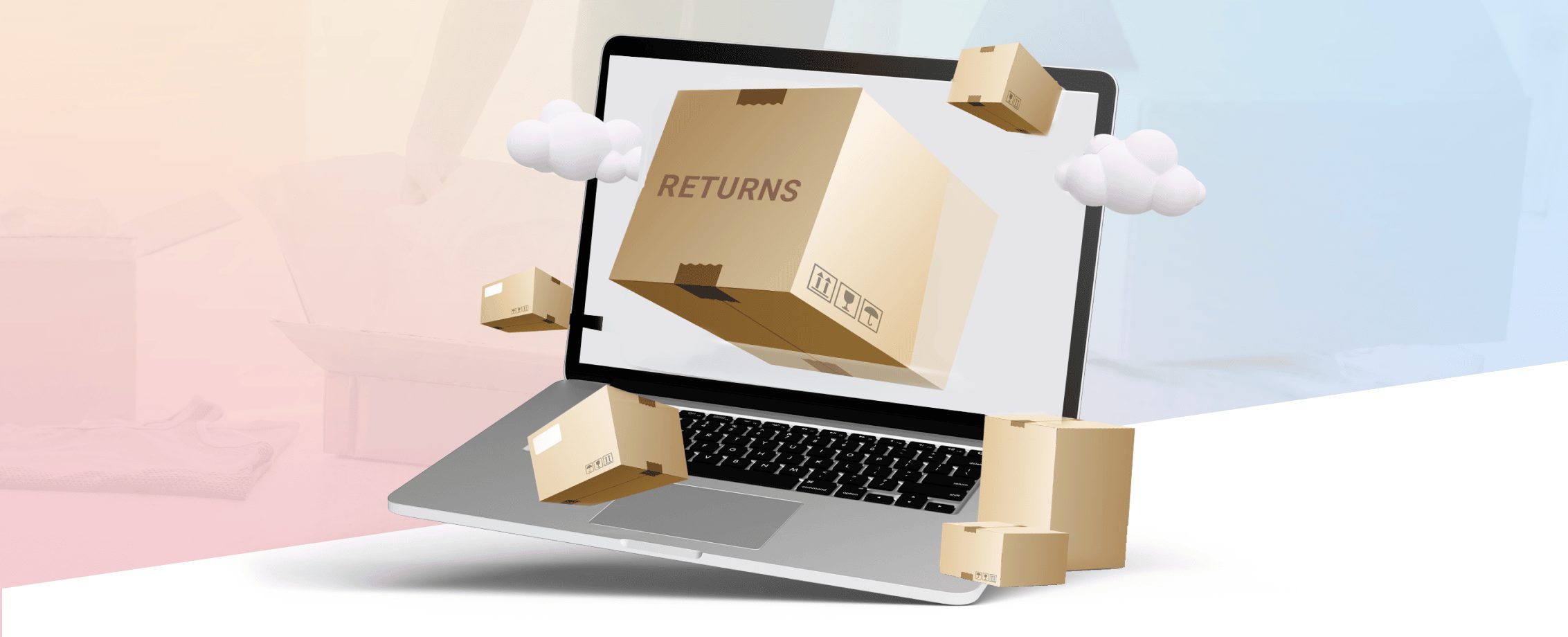
Bigblue manages returns from the customer's request to restocking. The brand chooses who pays. Bigblue manages the rest in one place: the return portal, label, return shipping, warehouse check, and restocking. Bigblue covers what the customer sees and what happens in the warehouse. Fashion brands like CAVAL, Believe Athletics, and Daphine already manage their returns through this portal.
Bigblue return management: what is included?
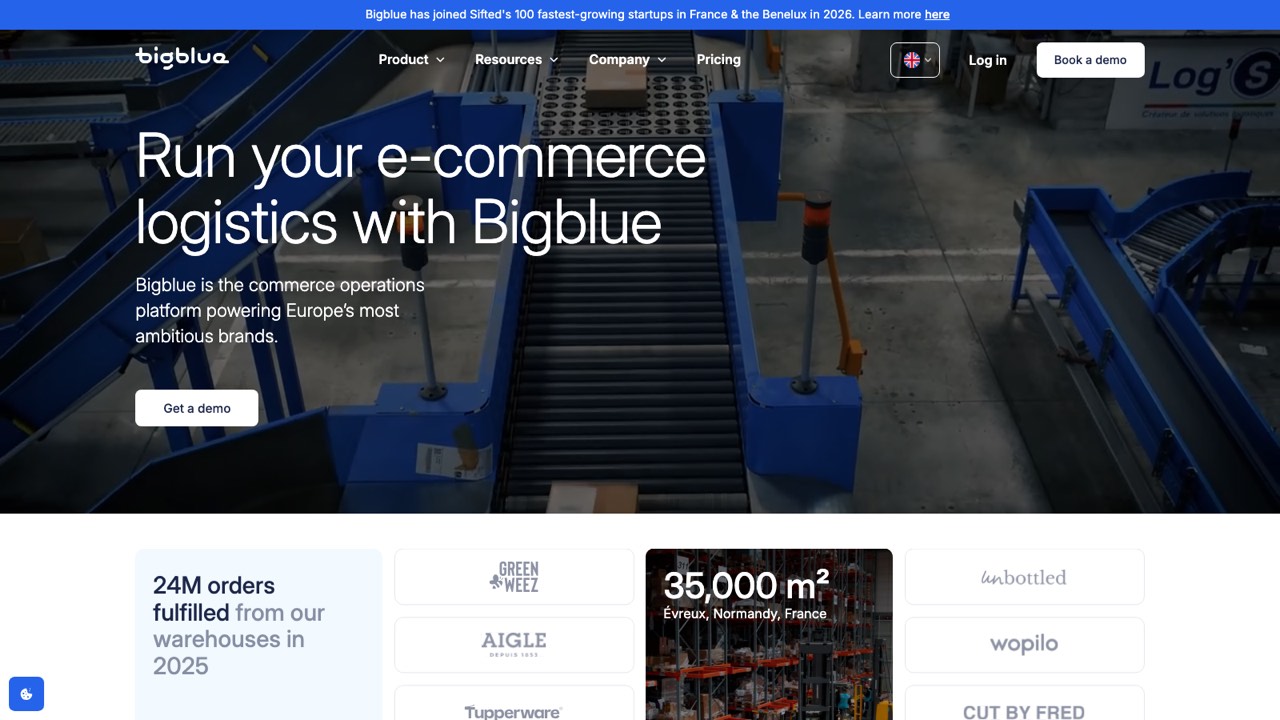
One return flow covers the whole process:
- Branded return portal: customers request a return in a few clicks and choose a refund, store credit, or exchange. They can access it from your store, the QR code on the packing slip, or a Bigblue tracking email.
- Return label: Bigblue creates a label that works in the customer's country. Customers can print it at home, drop the parcel off, or book a pickup. You can also skip labels and give customers an address for returns.
- Return shipping: Bigblue manages return shipping from any country through its carrier network. For international returns, Bigblue creates the customs documents.
- Warehouse check: Bigblue receives and inspects each item. It then either goes back on sale, goes to reconditioning if it needs work, or is removed from stock if it cannot be resold, such as food or opened cosmetics.
- Refund or exchange: Bigblue calculates the value of the returned items, subtracts any shipping costs and fees, and sends your store the final amount to refund, credit, or use for an exchange.
- Tracking and return reasons: customers receive return tracking emails, and you get the return reasons so you can spot recurring issues.
Bigblue return shipping costs: who pays?
You choose who pays. Return shipping can work in two ways. In both cases, Bigblue does not process the payment. Refunds run through your own checkout, like Shopify, not through Bigblue.
| Who pays | Return shipping model | How the label works |
|---|---|---|
| The customer ships the item back with the carrier of their choice and pays the cost | Customer arranged return | Bigblue does not generate the label. The portal shows the warehouse address and a return reference so the parcel can be identified on arrival |
| The brand pays to offer a free return, or the customer pays in the portal | Bigblue managed prepaid return | Bigblue generates the prepaid label and the customs documents for international returns |
When a return fee applies, it is deducted automatically from the customer's refund, store credit, or exchange credit. There is no separate card payment. Many brands make the label free for store credit or an exchange, but charge a fee when the customer chooses a refund to the original payment method. That encourages customers to choose an exchange, so the brand keeps the sale instead of losing it to a refund.
How Bigblue reduces ecommerce return costs
Bigblue reduces return costs in two ways: it lowers the processing cost per return and helps keep sales that would otherwise become refunds.
- Lower cost per return: each return goes to the nearest of Bigblue's 10 European warehouses (France, Spain, Italy, the UK, and Germany). That shortens the return journey and gets items back on sale faster.
- Saved sales: by offering exchange and store credit first, the portal can turn a refund into a new order instead of a lost sale.
Customer results show the impact:
- CAVAL customers who exchange with Bigblue store credit spend on average 47% more than their original order, so the return becomes a higher order value.
- After moving returns to Bigblue, Daphine cut refunds to the original payment method by 30% with no drop in customer satisfaction, which stayed at 100%.
- Among Bigblue fashion brands, 38% now make store credit the default option, turning refund requests into saved sales instead of lost sales.
Turn logistics into a retention lever
Run your D2C and B2B logistics with Bigblue, the commerce operations platform powering Europe's most ambitious brands.
Discover BigblueBigblue ecommerce returns FAQ
Who pays for the return label with Bigblue?
The brand decides. You can pass the cost to the customer, offer the label for free, or make it free only when the customer keeps the value as store credit or an exchange.
Does Bigblue process the refund payment?
No. Bigblue calculates the amount and triggers the refund, credit, or exchange in your store. The money then moves through your own checkout, like Shopify, never through Bigblue.
What happens to an item after it is returned to Bigblue?
Bigblue receives and inspects it. It then goes back on sale if it is ready to be resold, goes to reconditioning if it needs work, or is removed from stock if it cannot be resold.
Can brands charge customers a return fee with Bigblue?
Yes. A return fee can be deducted automatically from the customer's refund or credit.
.webp)