Marketing Masterclasses
An interview with Nicole Compen, founder of raye the store
Pop-up retail contributes over £2.3 billion to the UK economy, and its impact on brands is only growing.
Studies show pop-up stores boost website traffic by 37%, web share by 27%, and significantly enhance brand image, especially for digital-native companies.
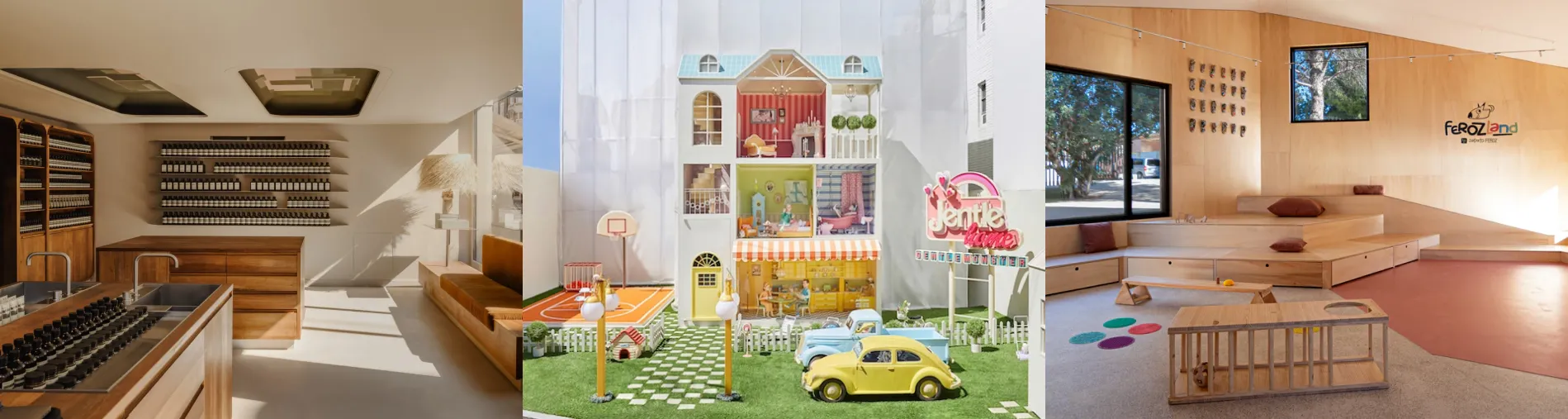
From Duolingo to Marks & Spencer, more and more brands are turning to pop-ups to generate buzz and reshape retail.
They’re a smart way to test the waters before launching brick-and-mortar stores and expanding through omnichannel strategies.
Plus, observing how customers interact with products in physical spaces can provide crucial insights for boosting sales.
With an initial investment of just £2,500 to £5,000, pop-ups are a cost-effective alternative to traditional advertising.
For comparison, Loop Earplugs spends £1.25 million per month on ads alone!
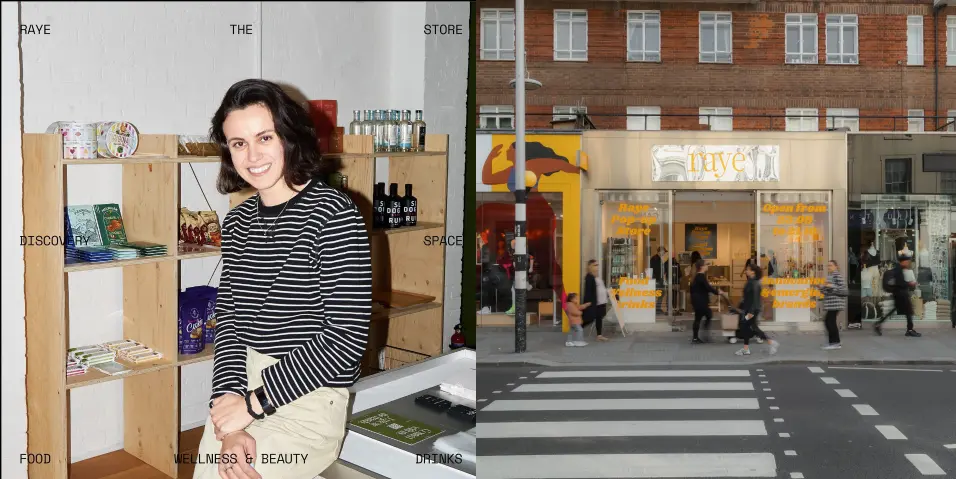
Leading this pop-up revolution is raye the store., launched in 2021, which curates innovative, better-for-you brands in experiential spaces.
We spoke with Nicole Compen, raye’s founder, to uncover the secrets behind successful pop-up stores and how brands can leverage this powerful retail strategy.
To start with a bang, in your opinion, what makes a pop-up store truly successful?
A survey from Storefront found that 80% of brands that host pop-ups find them successful, and 58% plan to do it again.
Nicole: It depends on your goals.
Success can mean different things—whether it’s boosting brand awareness, increasing sales, or creating memorable experiences for loyal customers.
For example, we’ve worked with brands like Huel, which used a pop-up space to connect with their existing subscribers and gather feedback on new products.
Another brand, Simply Roasted, focused on brand awareness and data collection through interactive experiences.
Timing and location in high traffic areas are also critical. Some periods, like early January and August, are slower due to holidays and school breaks.
On the other hand, mid-September and the holiday season have been successful for us, especially when we focus on gifting products like food, drink, and wellness items.

How do you attract customers to your pop-ups, and what strategies do you use to engage them during the event?
Nicole: We start with PR, working with a consultant to create a press release and secure online coverage.
We also leverage the social media channels of the participating brands by organising a coordinated announcement push.
During the pop-up, we host press events and sampling sessions to keep the momentum going.
We’ve found that offering interactive experiences, like tastings or mini treatments, really helps engage customers and encourages them to return.
Your brand selection process is very intriguing. How do you decide which products and brands to feature in your pop-up stores?
Nicole: It’s a mix of factors.
We look for innovation, which often means the brands we feature are less than a year old.
We also focus on products that fall into the "better for you" category, though we’re careful with making strong claims.
For example, we recently feature a kombucha drink brand. Kombucha requires sugar for fermentation, so we can’t strictly say it’s low in sugar, but it’s still a natural product.
We also avoid products with artificial ingredients or palm oil.
Another key factor is design.
Packaging design is crucial because, as they say, people shop with their eyes.
We want the products to be visually appealing so that they stand out on the shelf.

Why do you focus on sustainable and healthy products? Is it because it aligns with your brand, or is it due to the preferences of your target audience?
Nicole: We lean more towards the discovery element of new and innovative products rather than strictly focusing on sustainability.
Many young brands aim to be fully sustainable as they grow, but it’s challenging to achieve right from the start, especially in terms of packaging materials.
We prioritise innovation and the opportunity for customers to discover something new.
You mentioned that a significant portion of the brands you feature are new, often less than a year old. How do these brands typically approach you, and do you ever turn brands away?
Nicole: We position ourselves as a marketing and brand awareness platform.
Brands often approach us to expand their sales channels or test their products and gather feedback.
We’re flexible with the age of the brand, but we have declined brands in the past based on packaging design.
However, we always provide feedback and try to help them improve.
For example, we once turned down a brand but connected them with a graphic designer.
They later returned with redesigned packaging and were featured in our store.
As someone who’s closely involved in the retail space, what trends do you foresee shaping omnichannel retail in the coming years?
Nicole: I think the focus will continue to be on creating personalised experiences.
Whether it’s allowing customers to customise products or offering limited-edition collaborations between brands, personalisation will be key.
We’re also seeing more cross-marketing between brands, which helps create a sense of newness and excitement.
Partnerships, especially those that span different industries, are becoming more common and can be incredibly powerful.
You opened raye right after the pandemic, correct? What was that experience like?
Nicole: Yes, the first pop-up event was in June 2021, just after most restrictions were lifted.
Our first store was only open for 10 days, and people were still wearing face masks, so we couldn't host any sampling sessions or events.
By September 2021, when we opened our second store, everything had been lifted, and it was post-lockdown.
That allowed us to really expand on what we could offer in terms of experiences.
As retail continues to evolve, pop-ups are proving their value by fostering real connections with consumers.
Whether you’re a brand testing new products or building deeper connections with your audience, pop-ups offer a dynamic platform for growth.
As Nicole shared, it’s not just about selling—it’s about creating memorable experiences that resonate long after customers leave.
With brands increasingly using pop-ups as part of their broader retail strategies, it’s clear that the future of retail is about building connections—and pop-up stores are at the heart of that transformation.
.webp)