Ecommerce & Retail Inspirations
Introduction
air up is a German scent-based hydration brand that surpassed €200 million in annual revenue by selling refillable water bottles that flavor water through scent alone, with zero sugar or additives. Founded in Munich in 2018, air up now serves over 10 million customers across 14 countries.
Founded by Lena Jüngst and Tim Jäger, air up offers a unique line of flavored water bottles that allow consumers to enjoy the taste of flavored water without any sugar or artificial sweeteners.
Their refillable drinking system uses scent alone to enhance the flavor of water, providing a healthier alternative to sugary drinks. With an extensive range of flavors and a commitment to sustainability, air up has captivated the market.
air up achieved rapid growth, with revenue climbing from €30 million in 2020 to €100 million in 2021, approximately €160 million by 2022, and past €200 million by 2024. The company expanded across Europe and into the US, backed by over $70 million in funding from investors including PepsiCo, Frank Thelen, Ashton Kutcher, and Mila Kunis, solidifying its status as a major D2C brand.
1. Innovating the Flavored Water Market with a Distinctive Approach
1.1. The Science Behind air up: How Scent Pods Transform Your Water Experience
air up, founded in 2018 by Lena Jüngst and Tim Jäger, is a German brand that offers a range of flavored water bottles. What makes them different? They allow you to enjoy the taste of flavored water without any sugar or artificial sweeteners. Instead, they use scent pods to enhance the water's flavor.
When you take a sip, the flavored air bubbles travel through your mouth, creating a delightful flavor experience. air up offers a range of flavors such as apple, peach, lemon, and grapefruit, providing a healthier option to sugary beverages.
1.2. air up's Impressive Growth: From a German Launch to an International Sensation
In 2016, Lena Jüngst and Tim Jäger embarked on a mission to address unhealthy nutrition. Teaming up with Michelin Star chef Fabian Schlang and serial entrepreneur Jannis Koppitz, they aimed to develop a new kind of beverage system.
In 2019, air up® GmbH was established, and their flavored water bottles quickly gained traction in the German market. Within just six weeks, they sold 80,000 starter kits.
Since then, air up experienced strong growth, with revenues of €30 million in 2020, €100 million in 2021, approximately €160 million by 2022, and past €200 million by 2024. By early 2025, air up served over 10 million customers globally and operated in 14 countries with more than 300 employees. The company raised over $70 million in funding from investors including PepsiCo, Frank Thelen, Ashton Kutcher, and Mila Kunis.
In May 2024, air up launched its second-generation bottle (Gen2), which won an iF Design Award for its leak-free, dishwasher-safe design made from 50% recyclable materials. The brand has since expanded its product line with the Click and Twist Pro bottles, the latter available in stainless steel with double-wall insulation. In February 2025, air up entered UK physical retail through Sainsbury's across 519 stores, and by early 2026 the brand was stocked in over 1,000 UK stores including Sainsbury's and Boots. Clinical trials conducted in 2024 showed that 70% of air up users increased their water intake over a 12-week period.
2. air up's Recipe for Tapping into Consumer Desires
2.1. Aligning with Consumer Values: air up's Sustainable Solution to Hydration
air up's rapid growth can be attributed to their perfect product-market fit. Through an in-depth study conducted in 2020, air up gained valuable insights into the habits and preferences of Generation Z consumers across Europe.
The study revealed the increasing importance of sustainability and health in their purchasing decisions. Recognizing this, air up positioned themselves as a brand that addresses these concerns head-on.
Their focus on sustainability goes beyond marketing. Between 2022 and 2024, air up invested over €20 million to relocate its manufacturing from China to Europe: tritan bottles are now produced in Austria, while scent pods are made in the Netherlands. The company uses recyclable materials across its product line and partners with environmental initiatives. These commitments resonate with consumers who weigh environmental impact in their purchasing decisions.
2.2. The Art of Packaging: How air up's Visual Appeal Sets Them Apart
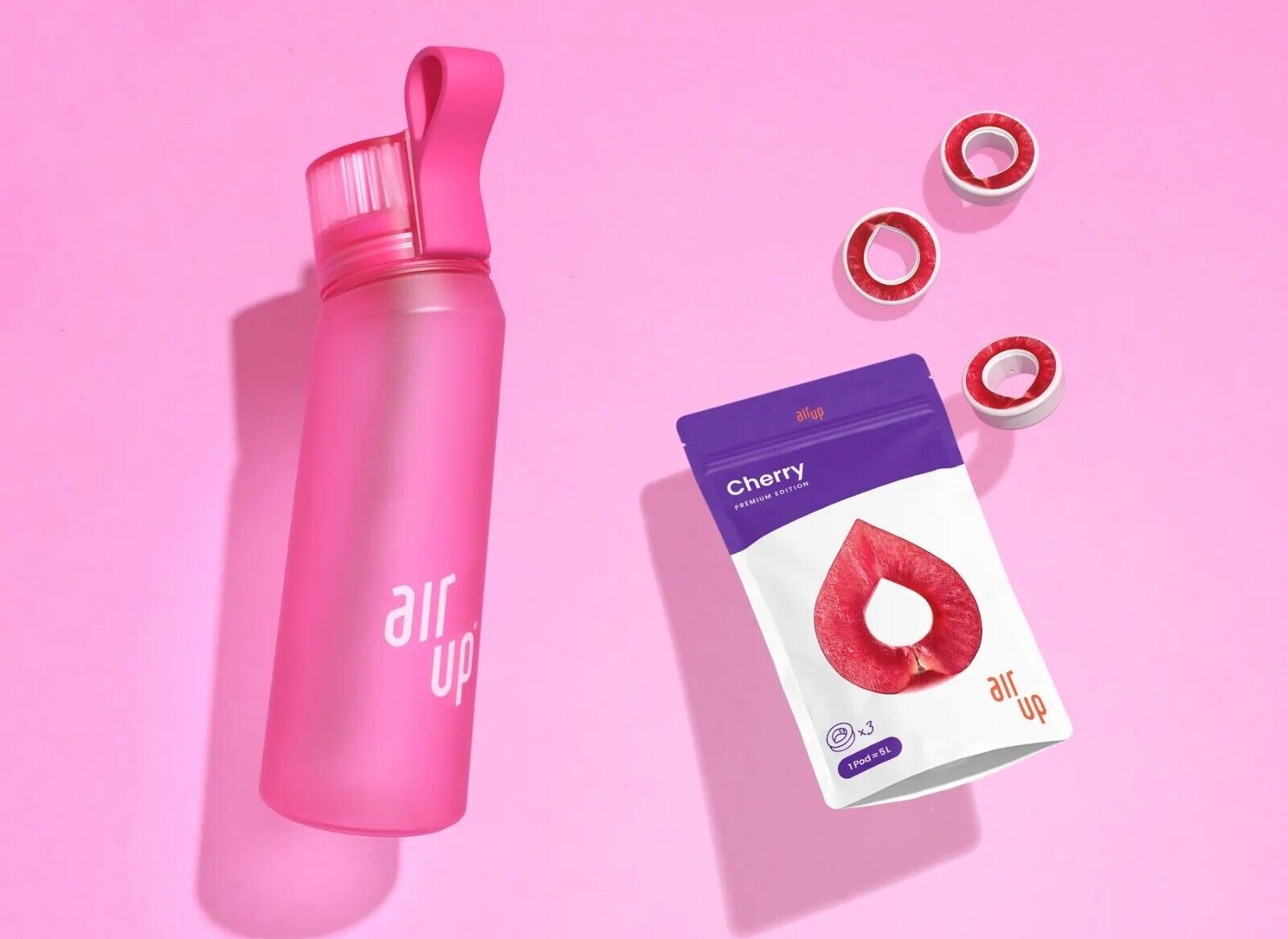
air up's product design and scent-pod technology have played a significant role in their scaling. Their bottles and sustainable packaging feature a modern, sleek design that captures consumer attention. This aesthetic, combined with Insta-friendly products, fuels curiosity and shareability among their target audience.
The visually captivating nature of air up's products also increases their potential for virality (and cool unboxings videos), as consumers are more inclined to share and showcase their experiences with the brand.
The combination of strong product-market fit and captivating design has enabled air up to scale rapidly in the flavored water market.
3. Building the Community: air up's Engaged Users and the Power of UGC
3.1 Influencer-Generated Content (IGC)
air up has used Influencer-Generated Content (IGC) to establish a strong brand presence across various social media platforms. They have formed collaborations with mega influencers, ensuring widespread visibility and increased brand awareness. air up uses YouTube and TikTok to partner with influencers and reach millions of potential customers.
These collaborations have had a major impact on brand visibility and sales. Influencers such as Jojo Siwa and Inoxtag have featured air up in their content, creating buzz and driving consumer interest across demographics.
3.2. User-Generated Content & Engaged Community
air up has also fostered an engaged community of consumers who actively participate in User-Generated Content (UGC). air up has received significant attention from Gen Z, who actively share their feedback and endorsements on various social media channels. Influencer marketing helps air up users know the brand and feel like part of a group.
air up has also launched viral hashtags and campaigns that have further amplified their UGC strategy. Hashtags like #thinknewdrinknew have gained traction, creating a tribe-like following on platforms like TikTok and Instagram.
The result: thousands of organic posts featuring air up products across TikTok and Instagram, with the brand's community acting as an unpaid marketing engine driving awareness and sales.

4. air up in the Spotlight: How PR Propelled Their Success
4.1. The power of PR
air up used a strong Public Relations (PR) strategy to expand its reach and solidify its presence in the market. Through press releases and media partnerships, air up effectively communicated its brand message and secured coverage to reach a wider audience.
air up collaborated with a dedicated PR agency, Team LEWIS, to execute their PR projects. The agency facilitated product tests with major consumer lifestyle media outlets and secured coverage in key news media. Through these initiatives, air up generated valuable media attention and built strong relationships with influential journalists.
4.2. Making Headlines: air up's PR Triumphs in Renowned Publications and TV Channels
air up's PR efforts paid off. They were featured in major media outlets such as Le Parisien, Le Progrès, and Culture Nutrition. They also appeared on channels like M6 and Bein Sport. This media exposure allowed air up to expand its reach and engage with a broader audience.
4.3. Beyond Generation Z: air up's PR Initiatives for Tapping into the Older Demographic
air up's PR strategy has also played a crucial role in targeting an older demographic, specifically individuals over the age of 30. While social media platforms like TikTok and Instagram have been instrumental in reaching Generation Z, PR initiatives have allowed air up to tap into a more mature audience segment. By securing coverage in established outlets like The Guardian and Le Parisien, air up captured the attention and trust of older consumers, further expanding their customer base.
In the UK, co-founder Lena Jüngst noted that 60% of air up consumers turned out to be children, with parents aged 40 and above buying bottles for their kids (The Guardian, 2024). This unplanned demographic shift opened an entirely new customer segment for the brand.
5. Retention and Loyalty: air up's Winning Strategy for Direct Customer Engagement
air up built its early growth on a direct-to-consumer (DTC) model, which gave it full control over customer data and brand experience. Since 2025, the brand has also expanded into physical retail, entering Sainsbury's and Boots in the UK and Rossmann in Germany, creating an omnichannel presence while keeping DTC as its core channel.
5.1. Redefining retail: air up's direct-to-consumer triumph
With their DTC model, air up has established a direct line of communication with their customers. This direct connection allows them to gather valuable data and insights about consumer preferences, behaviors, and purchasing patterns. Armed with this information, air up can personalize their offerings, tailoring them to specific customer expectations. The DTC approach also enables air up to have full control over the customer experience, from product presentation to post-purchase interactions.
5.2. From insights to recommendations: how air up uses data for tailored offerings
Through their DTC model, air up has cultivated a deeper understanding of their customer base. They use the data collected to create personalised recommendations, offer targeted promotions, and provide a smooth shopping experience. By tailoring their offerings to individual preferences, air up enhances customer satisfaction and fosters long-term loyalty.
5.3. Loyalty Above All: air up's Strategy for Building a Devoted Customer Base
air up's DTC model allows them to prioritize customer retention. With direct access to their customers, air up can implement strategies to encourage repeat purchases, such as personalized recommendations, loyalty programs, and exclusive discounts. This focus on customer retention not only drives revenue growth but also strengthens the brand's relationship with its customers, fostering a loyal and engaged community.
Through their DTC approach, air up has used data, personalization, and customer retention to fuel growth and success.
Key takeaways
air up grew from a 2018 Munich startup to a brand with over €200 million in annual revenue by combining scent-based hydration technology with a DTC-first distribution model, serving over 10 million customers across 14 countries by 2025.
The brand's playbook rests on four pillars: a unique product with strong market fit among health-conscious consumers, eye-catching design that drives social sharing on TikTok and YouTube, influencer and UGC campaigns that turn buyers into brand advocates, and a DTC-to-omnichannel model that expanded into UK retail through Sainsbury's and Boots while maintaining full control over customer data and personalization. The company's €20 million investment in relocating production to Austria and the Netherlands reinforced its sustainability positioning, a core value for its Gen Z and millennial audience.
.webp)


