Ecommerce & Retail Inspirations
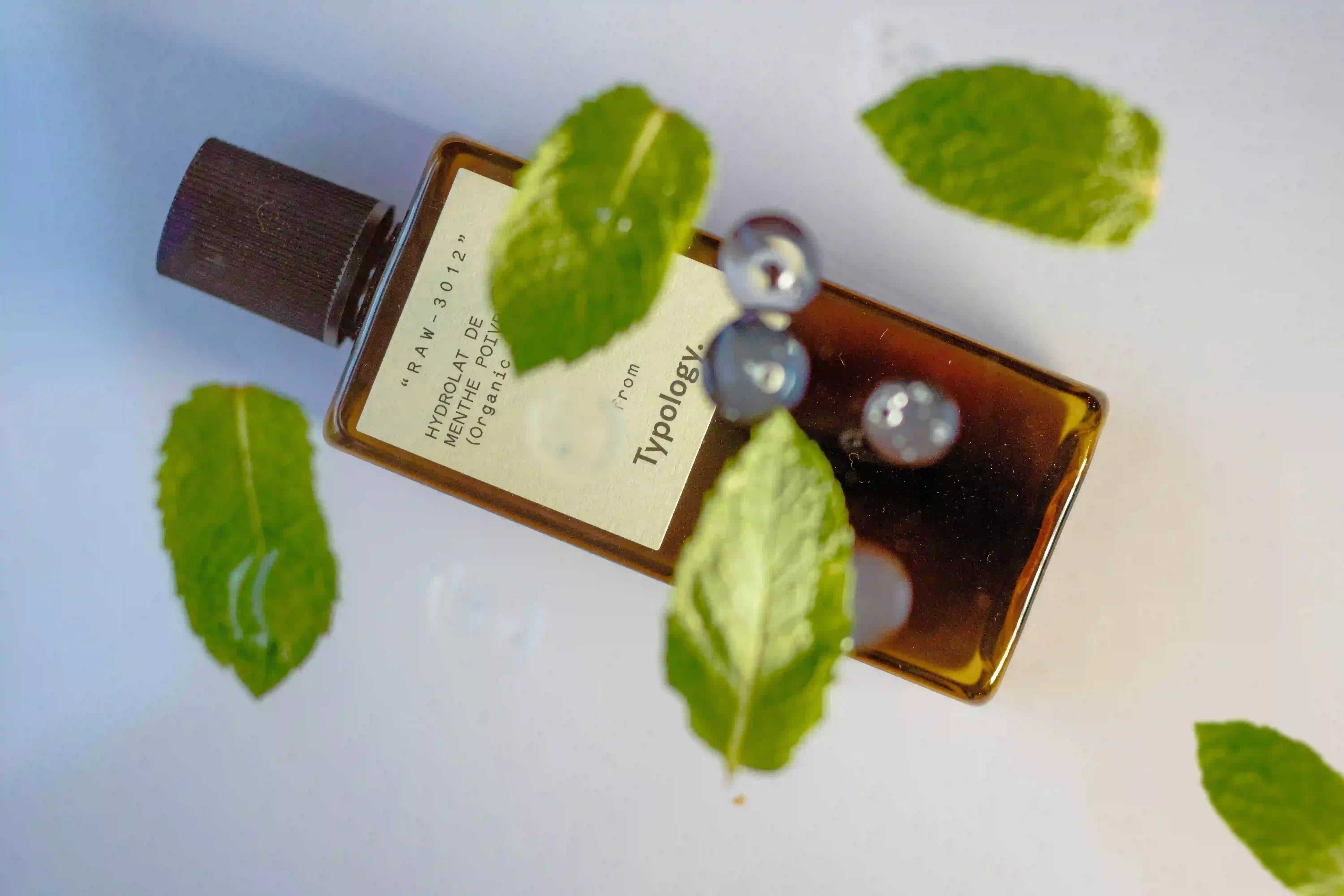
Typology, a French skincare brand, has revolutionised the clean beauty market with its commitment to transparency and simplicity.
The brand has sold over 3.2 million products annually and has expanded into physical retail and hospitality, building on its online-first model with a permanent corner at Printemps Haussmann and amenities in luxury hotels worldwide.
This article explores Typology's successful transition from a pure Direct-to-Consumer (DTC) model to an omnichannel retail strategy.
1. The rise of Typology: Clean beauty for all
1.1 The visionary founding by serial entrepreneur Ning Li
In 2019, Ning Li launched Typology, after co-founding the furniture e-commerce platform http://Made.com, where he led the company as CEO for its first eight years.
Within a year of their launch, they raised $10 million in seed funding and shipped hundreds of thousands of products.
Ning Li was inspired to create Typology out of a desire to find clean, natural products for his newborn daughter, which he couldn't find on the market.
He aimed to disrupt the beauty industry by focusing on transparency and high-quality natural ingredients.
"We launched Typology [...] with one mission in mind: to demystify a complex and opaque skincare industry," says Ning Li
This vision helped Typology quickly establish itself in a competitive market.
Typology focuses on minimalism, unlike many beauty brands that use lengthy and complex ingredient lists. Each product contains only the essential components necessary for efficacy.
The company is certified as a B Corp and PETA vegan-approved.
The brand offers a wide range of skincare, haircare, and body care products, all made with at least 80% natural ingredients.
This approach appeals to consumers who are increasingly aware and cautious about the ingredients in their skincare products.
1.2 Building strong brand loyalty with DTC success
Typology achieved phenomenal success, becoming France's top-selling online skincare brand by 2023, only four years after its launch.
A key part of its success lies in selling directly to consumers online.
By skipping traditional stores, Typology kept costs low and focused on making the online shopping experience as smooth as possible. They achieved this by:
- User-friendly website: A simple design that makes shopping easy and that matches really well with their brand identity.
- Skin diagnostic tool: An online quiz that helps customers find the best products for their skin and create the best skincare routine for their needs.
- Transparent ingredients: Clear information about what's in each product, building trust with shoppers. They also provide educational content about the benefits of ingredients and how they work.
- Sustainable practices: Clean, natural ingredients and recyclable/reusable packaging. Their products are free from harmful chemicals, relying instead on botanical extracts and active ingredients.

2. Typology's omnichannel retail strategy to conquer new markets
2.1 Testing market fit with pop-ups
After achieving strong online sales, Typology strategically entered physical retail to expand its customer base while staying true to its clean beauty values.
To test this new approach, Typology hosted a three-day pop-up event called "La Serre Typology" in November 2023.
The pop-up offered two unique experiences, where booking was required for:
- During the daytime: Personalised skin advice and custom skincare routines with Typology experts.
- During the evening: Intimate dinners with experts to provide a deeper connection to the brand.
The event was fully booked out in minutes, showing a real demand for Typology's in-person approach.
La Serre Typology's success showed them a few things:
- People love personalised experiences: Customers appreciate connecting with a brand face-to-face and getting help tailored to their needs.
- Pop-ups build loyalty: These events create a sense of exclusivity and excitement, making existing customers love the brand even more.
- Testing the market: Pop-ups are a low-risk way to see if people will be receptive to in-store shopping.
The pop-up store format allowed Typology to engage with customers face-to-face for the first time.
It also gave the team direct customer feedback that shaped product decisions going forward.
2.2 Taking the next step with a permanent corner store
Based on the pop-up's success, Typology opened its first permanent corner store in April 2024, inside Printemps Haussmann, a famous Parisian department store.
This move into physical retail shows Typology's commitment to an omnichannel approach, blending online and offline strategies.
The physical presence in such a prestigious location as Printemps Haussmann increases brand visibility and reinforces Typology's image as a premium brand.

This strategic placement helps attract a new segment of customers who value the ability to see and feel products before purchasing.
The design of the corner store reflects Typology's core values of being simple and eco-friendly.
They use aluminium elements that look just like their packaging, creating a stylish and responsible shopping experience.
The result is a retail space that feels like a natural extension of the brand.
2.3 Beyond retail: hospitality and new categories
After establishing its Printemps Haussmann corner, Typology continued to push beyond traditional retail in 2025. The brand entered the hospitality sector through a partnership with MGallery Collection, placing its amenities in over 30 luxury boutique hotels worldwide (WWD, 2025).
Ning Li's parent company, Good Brands, also launched a second brand in November 2025: Sujet, a fragrance label focused on traceability and agriculture-inspired scents.
Typology itself expanded into new product categories throughout 2025, launching a hair care line in the US market and rolling out 12 new product innovations. The brand remains exclusively DTC online, with Printemps Haussmann as its only physical retail location.
From a single skincare line in 2019 to a multi-category brand present in luxury hotels across the globe, Typology shows what a clear product philosophy and a digital-first approach can achieve in seven years.
.webp)